De Vormforensen is a graphic design studio with a passion for changemakers – people and organisations who dare to challenge, question and explore new perspectives. There are so many great ideas in this world that don’t always get the recognition they deserve, which is why we love sharing wonderful and inspiring stories and initiatives from people we admire and draw inspiration from.
Inspiration
Re-generation is a dynamic and youthful collective dedicated to anchoring the voice of the new generation within the transition to a regenerative economy. While the traditional economy often focuses on extraction—and 'sustainability' often goes no further than doing "less bad"—they go a step further. As true changemakers, they challenge the current educational system and the business world to actively build systems that do not just spare the earth, but actually restore it.
Their strength lies in translating complex, systemic theories into practice. They achieve this through innovative educational programs, intensive community building, and strategic advice for organizations ready for the next step. They serve as a bridge between academic knowledge of the biosphere and the urgent need for a new way of working and living. By providing a platform for fresh perspectives that question the status quo, they show that the leaders of the future aren't waiting for permission; they are already laying the foundations for an economy that flourishes within planetary boundaries. It is a movement that turns hope into action and equips young professionals with the tools to bring about real systemic change.
Discover the power of this movement and its pioneers at: https://re-generation.cc
’t Gagel is much more than a farm; it is an inspiring Lenteland farm in the Achterhoek region that serves as a European flywheel for regenerative agriculture. As true changemakers, they demonstrate that food production does not have to exhaust nature, but can actually strengthen it. By 'farming for life,' they restore soil health, increase biodiversity, and create a resilient ecosystem where humans and nature live in harmony.
What makes ’t Gagel unique is its role as an open learning center and community hub. It is a place where pioneers, scientists, artists, and citizens come together to experiment with new forms of farming and communal living. The farm operates on the principle of local ownership, allowing the community to become co-owners of the land. This removes the soil from the speculative market and returns it to the people who care for it. Through educational programs and artistic residencies, they fundamentally change our relationship with the earth and our landscape. ’t Gagel proves that a resilient food culture begins with a deep connection to the soil beneath our feet.
Visit this flagship of ecological restoration at: https://gagel.nl/
Zoöp (a contraction of 'Zoö'—Greek for life—and 'Cooperation') is a groundbreaking organizational model that gives the voice of nature a legal place within human decision-making. In today’s economy, nature is often viewed as a mere source of raw materials or a backdrop for human activity. A Zoöp flips this: by appointing a 'Speaker for the Living,' nature is given a formal voice in the boardroom. This speaker acts as an independent observer who evaluates decisions based on the interests of the entire local ecosystem.
The goal is not just to limit damage (sustainability), but to actively contribute to ecological regeneration. This means an organization asks itself: "How can our presence make the soil healthier, increase biodiversity, and purify the air?" A concrete and inspiring example is the Nieuwe Instituut in Rotterdam. As the world's first Zoöp, they transformed their gardens and roofs into a testing ground for interspecies collaboration, treating insects, plants, and fungi as equal stakeholders. Zoöp connects a growing network of pioneers blurring the boundary between humans and the biosphere, offering a bold legal instrument for a future where all life on earth matters.
Dive deeper into the model at: https://zoop.earth/en/
Public Food is a research project that fundamentally questions our food system by redefining food as a public utility, comparable to a library or a park. We find it normal to access a library for free or that the government provides street lighting and parks. Public Food asks the provocative question: why is our most basic necessity—healthy food—then completely left to the whims of the commercial market?
As true changemakers, they investigate how we can reclaim control over our food chain. They look beyond small-scale community gardens; they design a collective infrastructure that cares for both people and the soil. This translates into concepts like 'Food Hubs' or 'Neighborhood Kitchens,' where the logic of profit maximization is replaced by the logic of public care and social justice. Through speculative imagination and concrete policy design, they challenge governments to take food sovereignty seriously. The project shows that systemic change begins with rethinking what we consider common property: good food should be a basic right, not a luxury item.
Explore their vision at: https://publicfood.org/

Mensa Mensa is a socio-artistic initiative that sees the dining table not just as a place to eat, but as a powerful public platform for connection, dialogue, and collective action. They view the kitchen as an instrument for systemic change. In a time of increasing polarization and social inequality, Mensa Mensa explores how the act of preparing and sharing a meal together can break down walls between art, activism, and daily life.
The project distinguishes itself through a focus on 'radical hospitality.' In neighborhoods where gentrification or social tensions put pressure on cohesion, Mensa Mensa creates 'sanctuaries.' Here, forgotten local recipes and personal histories are used to spark conversations about complex themes such as exclusion and solidarity. For them, it is not just about conviviality, but about reclaiming public space and strengthening the position of people whose stories often remain unheard. It is an inspiring example of how redesigning our food culture and breaking through our 'bubbles' contributes directly to a more resilient and connected society.
Read the stories behind the meals at: https://mensa-mensa.nl/
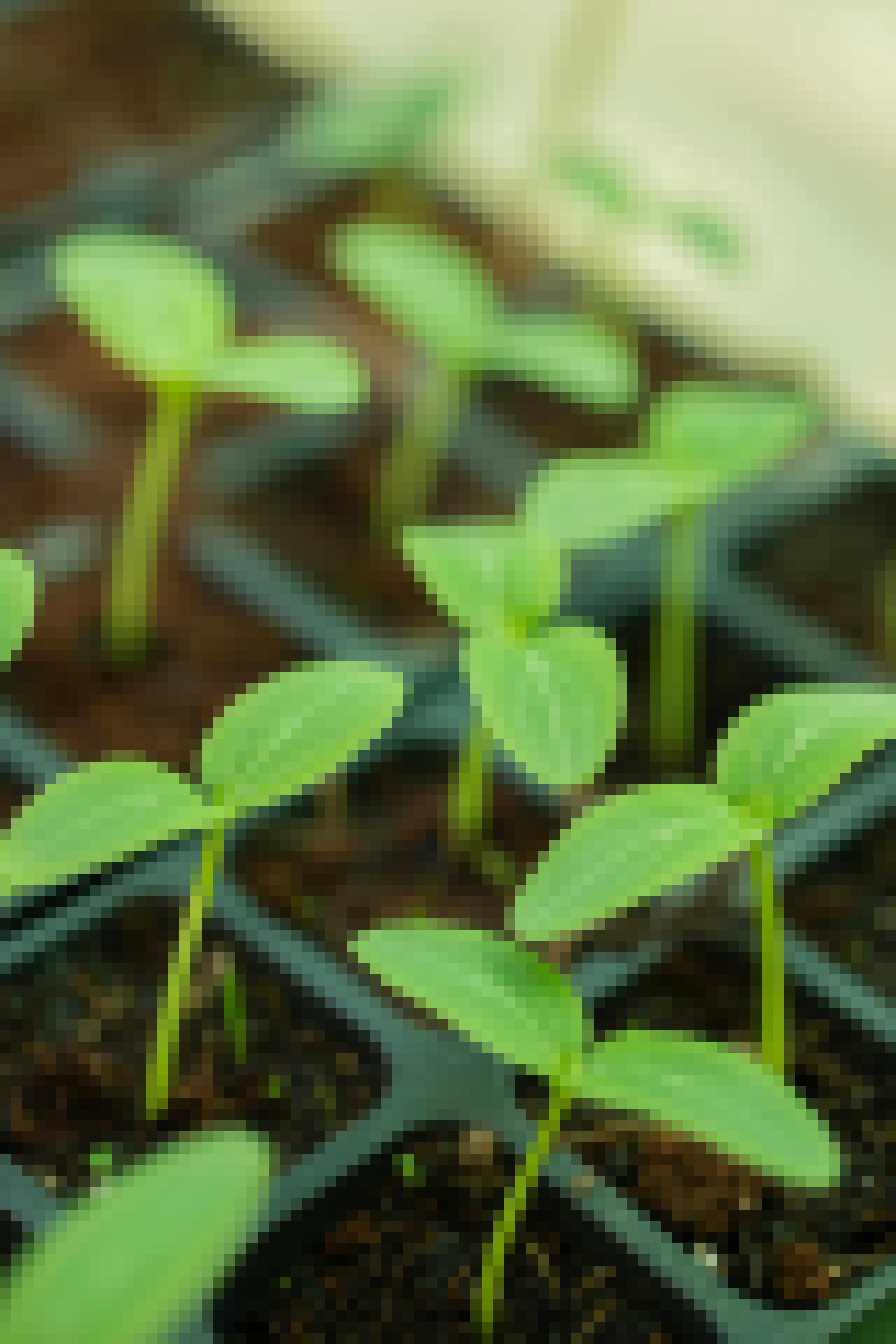
Reclaim the Seeds is both a powerful political protest and a vibrant celebration of biodiversity. In an era where a handful of agrochemical multinationals dominate the global seed market, this initiative provides a necessary counter-voice. As true changemakers, they resist the patenting of crops and the legal restrictions that prevent farmers and gardeners from reproducing their own seeds. They advocate for the free preservation and exchange of seeds as the absolute foundation of a resilient, local, and independent food system.
What began as a protest against European seed legislation has grown into a lively movement. Through their annual seed fairs and practical workshops, they provide a stage for rare varieties forgotten by the industry, which are crucial for our climate adaptation and culinary richness. It is a place where knowledge about seed cultivation is shared to literally take back control of our food sources into our own hands. Reclaim the Seeds is an inspiring grassroots initiative showing that real systemic change begins at the smallest foundation: the seed in the ground. It reminds us that those who control the seeds, control the future.
Discover how you can contribute to a free seed culture at: https://www.reclaimtheseeds.nl/